Your barn, 1-to-1
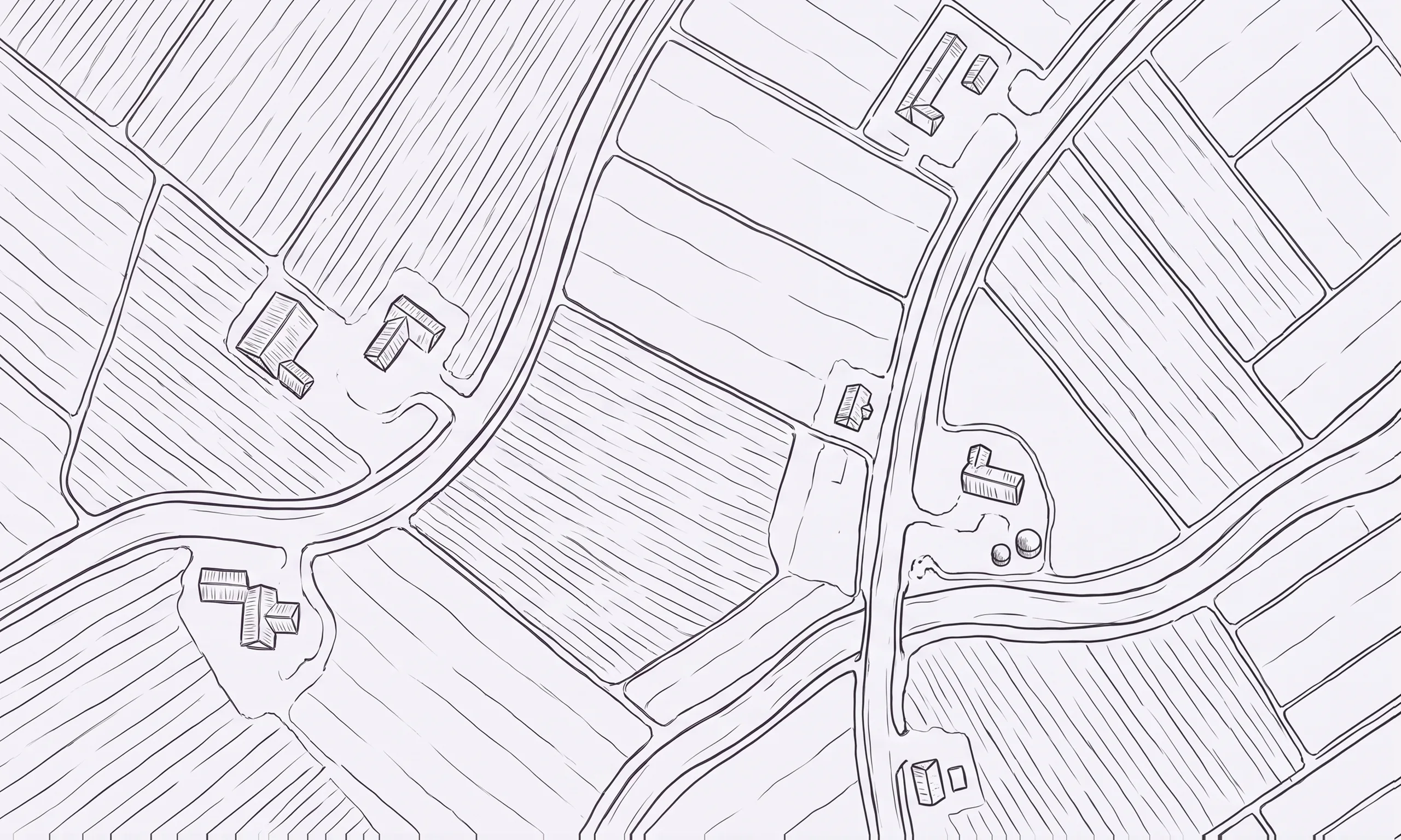
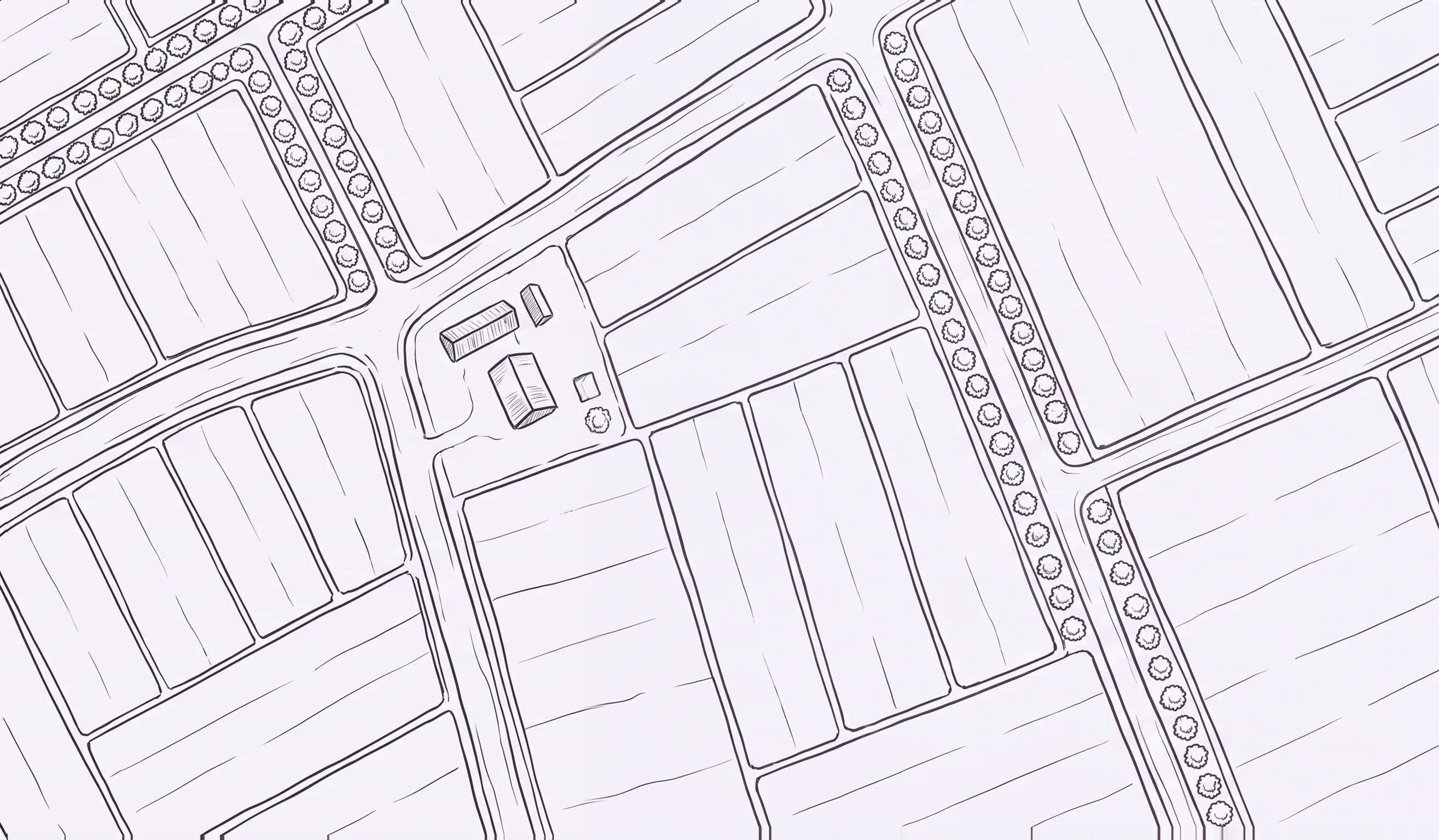
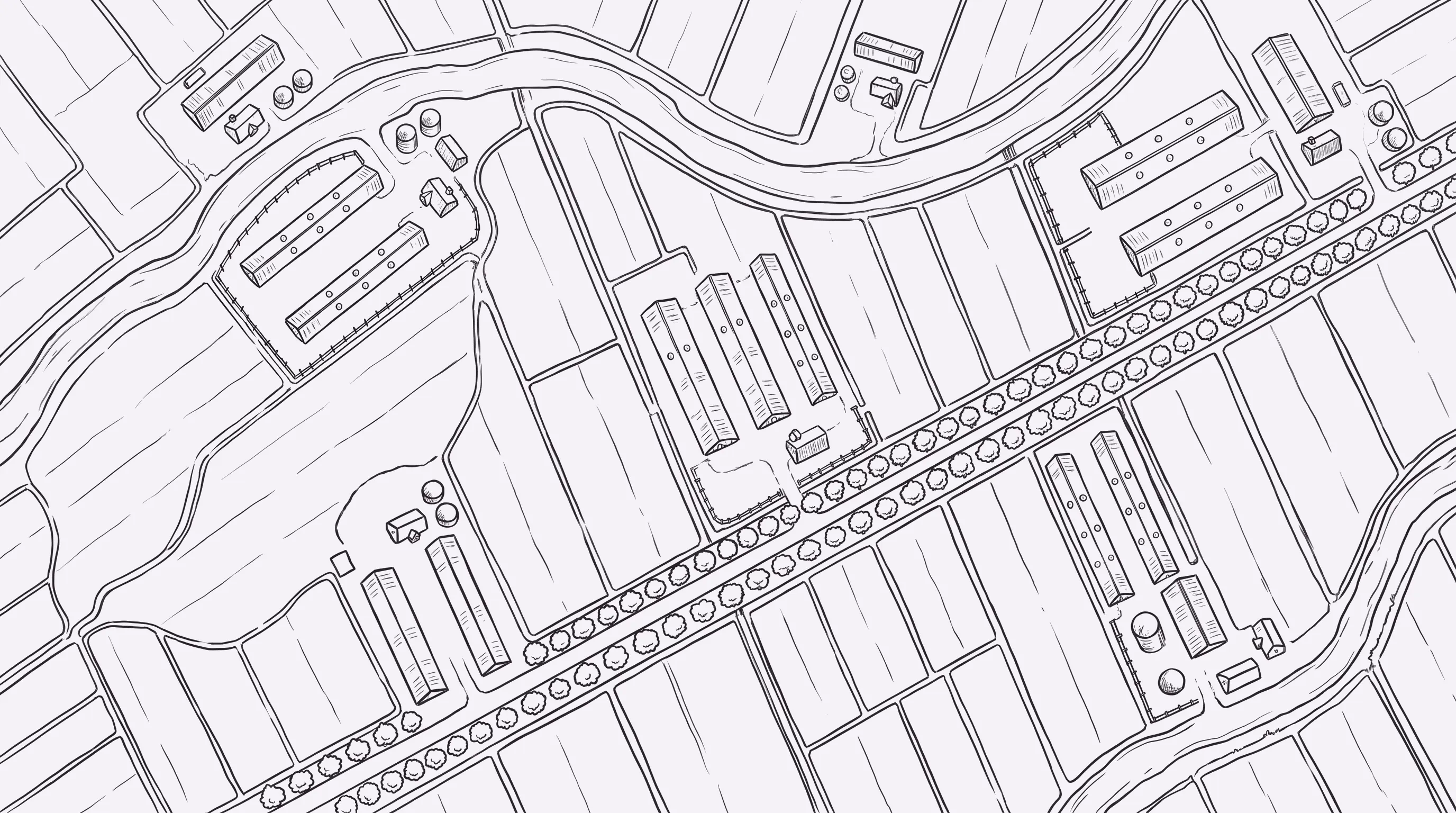
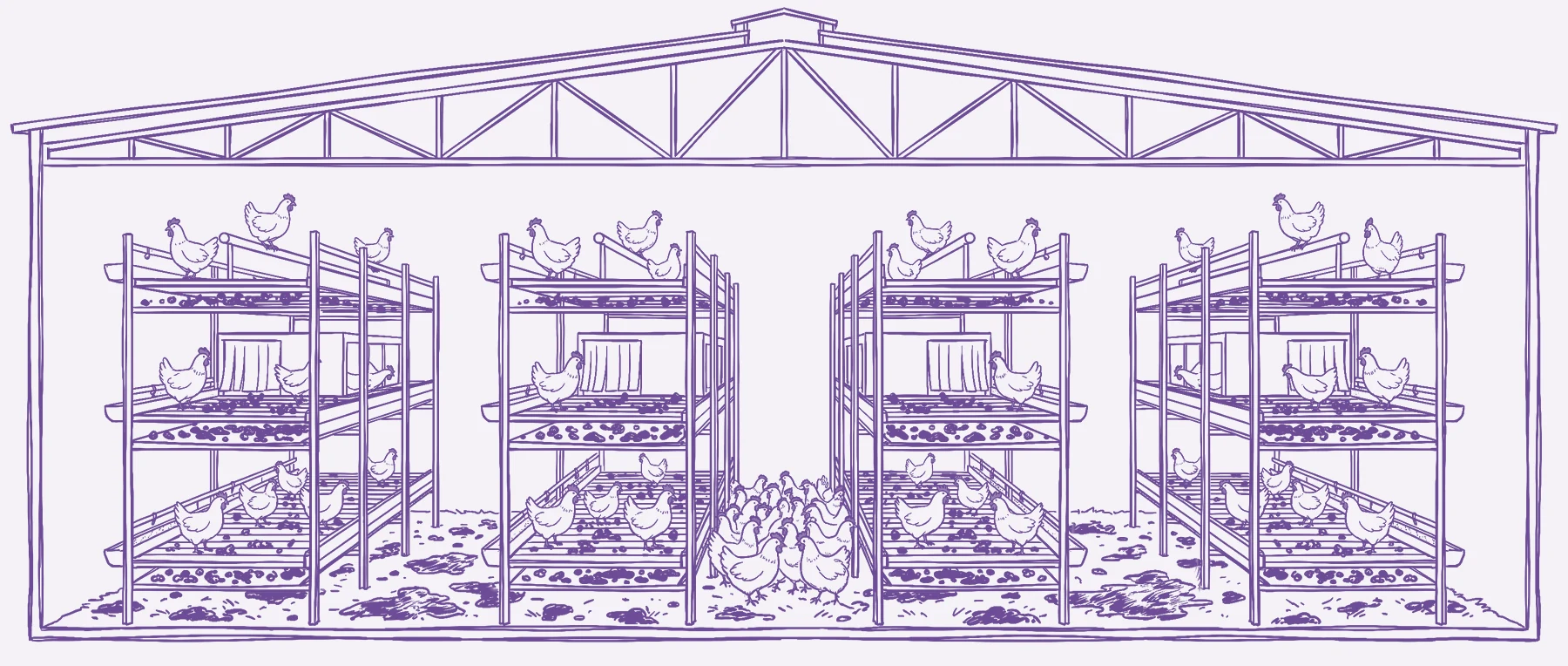
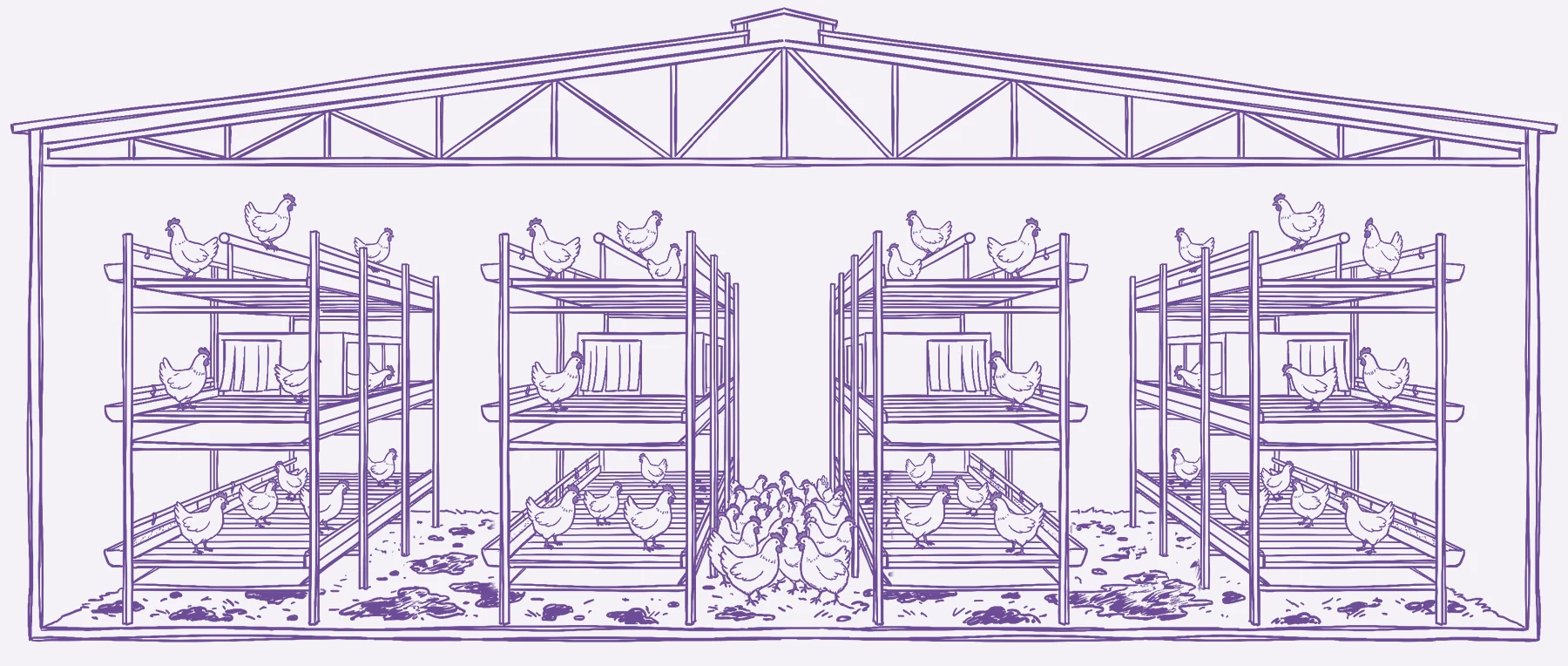
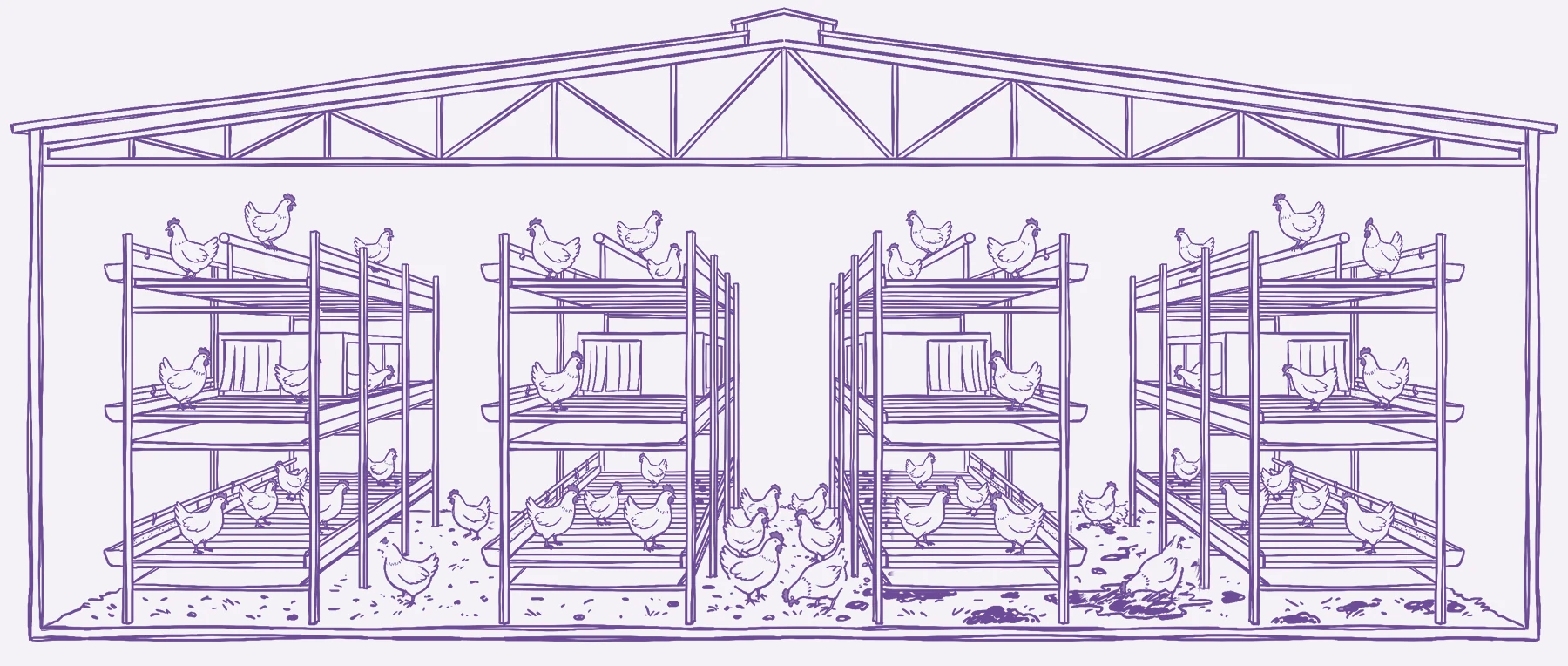
On the map your barn is one of the barns in the network. You see what happens inside at the same moment, in a 1-to-1 image.
Ammonia forms in your litter and on your manure belts. How much forms depends on dry matter, temperature, stocking density and simply on how your barn behaves. Two farms with the same housing system can differ a lot.
Yet for your farm the government uses one factor for everyone with that housing system.
On the map your barn is one of the barns in the network. You see what happens inside at the same moment, in a 1-to-1 image.
In the image the belts come out empty.
The flock spreads out a little better and the litter dries out a fair bit.
You do not see this in the image, because the camera does not measure ammonia. The lab sample of the litter shows what it does.
You now know what works and what only half helps. You adjust to that.
The system takes what works to the other barns, so it goes faster there. The raw data stays on each farm.
Each barn translates it to what is going on there. In one it is the manure belt, in another the ventilation pays off more.
Per barn the lowest achievable emissions within the housing system that is there. If you are already doing well, the system shows that.
You do not need a new housing system. It is about things you already operate: how dry your litter stays, how often the manure belt runs, how you ventilate and how the flock spreads across the barn.
Those settings differ on every farm and have mostly grown by feel. That feel is often right, but you cannot show it and you do not know which choice does the most. The digital barn makes that visible.
Anyone can sample manure and litter. But a sample is a snapshot. It does not show what your barn did differently that week from the week before.
The digital barn fills that in: how the flock behaved, where it was busy and how that changed through the day. With that, we think a manure management plan for lower emissions is possible without an ammonia sensor. Besides the digital barn you then only need lab samples and expertise.
The camera does not measure ammonia and is not going to. What we build up is knowledge of how your barn behaves, so you can steer per barn without a sensor always hanging there.
It is a process of years, with check measurements along the way. The system measures and steers, you do the reducing. We do not have an approved emission number, so for now this does not replace an approval under the RAV, the Dutch regulation on ammonia and livestock farming. It comes alongside the emission-reducing systems you already have.